

Workers’ Comp for Donut Shops
Protecting the People Who Make Your Bakery Shine
Workers’ Compensation for Donut Shops
Running a donut shop means managing a busy environment—from early morning baking to handling hot equipment and fast-paced customer service. With constant activity, workplace injuries can happen unexpectedly. Workers’ Compensation Insurance ensures your employees are protected if they get injured or become ill due to their job
Why Workers’ Compensation Insurance Is Essential for Donut Shops
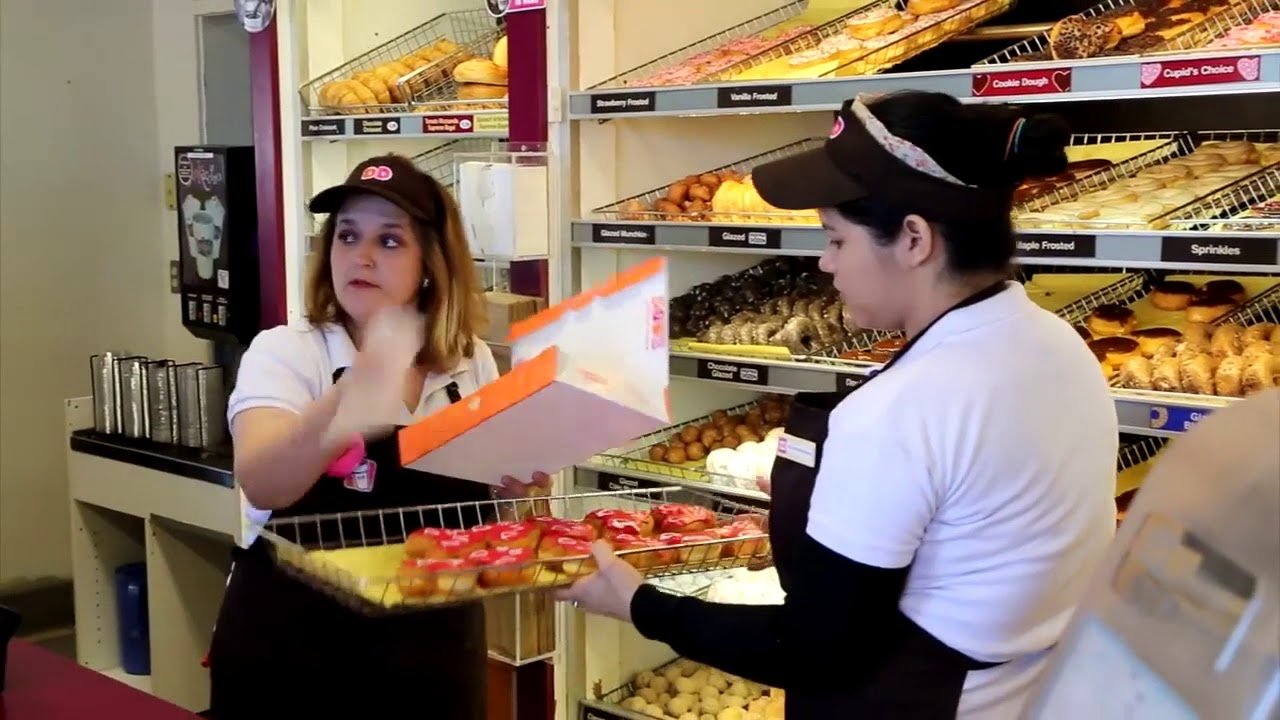
Your team works with hot fryers, mixers, ovens, knives, and slippery kitchen floors. Common bakery injuries include burns, slips, cuts, and lifting strains. Workers’ Compensation helps cover:
Medical bills for workplace injuries or illnesses
Wage replacement during recovery time
Rehabilitation and therapy expenses
Employer liability protection if legal action arises
Having Workers’ Compensation isn’t just smart—it may be legally required depending on your state. Protect your employees and safeguard your donut shop’s financial stability.
Business Owner’s Policy (BOP)
A Business Owners Policy combines general liability insurance and commercial property insurance into one affordable package. For donut shops, a BOP covers building damage, bakery equipment, inventory, signage, and unexpected events like fire or theft. It also protects against customer injury claims, such as if someone slips on a wet floor or gets sick from contaminated food. A BOP gives bakery owners peace of mind with core protections bundled into one easy-to-manage policy
Workers’ Compensation
Workers’ Compensation Insurance protects both your employees and your donut shop when workplace injuries occur. It covers medical expenses, lost wages, and legal fees related to employee injuries. Whether it’s a burn from a fryer, a back injury while lifting dough, or repetitive motion injuries from baking, Workers’ Compensation ensures financial support while employees heal—keeping your business compliant and your workforce supported.
General Liability Insurance
General Liability Insurance protects your donut shop from third-party claims involving bodily injury, property damage, and personal injury. If a customer slips on spilled coffee, claims your donuts caused an allergic reaction, or your delivery driver accidentally damages someone’s property, this insurance steps in. Without general liability coverage, one lawsuit can significantly impact—or even shut down—your business.
How does it work
Common Injuries in Bakeries
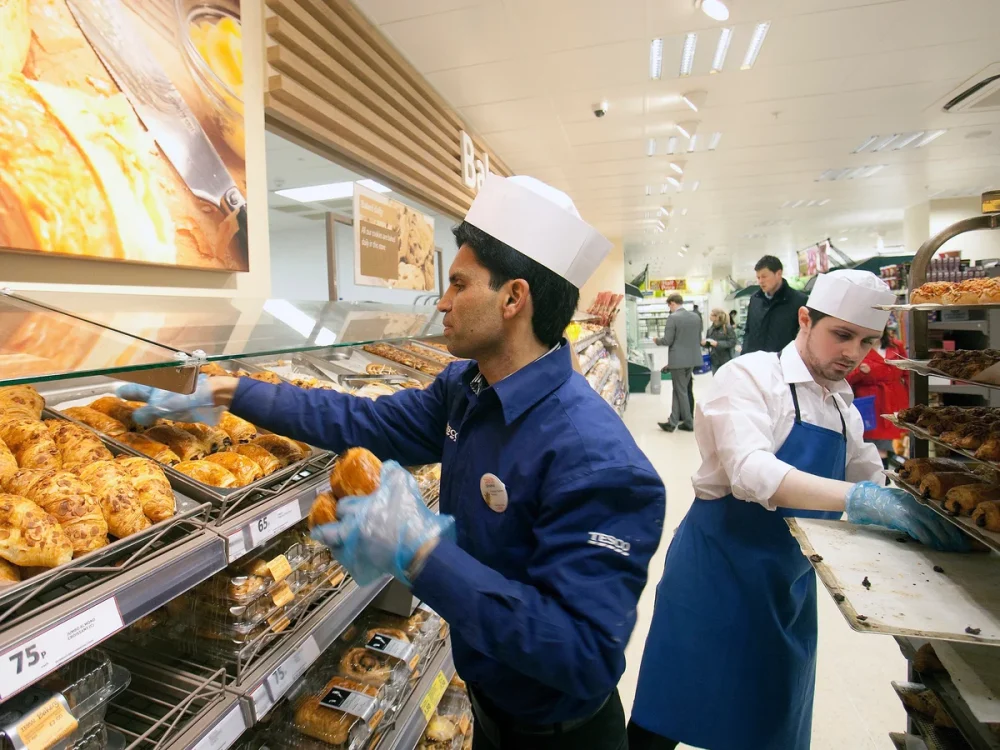
Working in a bakery can be physically demanding, with long hours, heavy lifting, and exposure to high temperatures. Some of the most common workplace injuries include:

Burns and Scalds
Bakers frequently handle ovens, hot trays, and boiling ingredients. Even a brief distraction can result in painful burns or scalds.

Slips, Trips, and Falls
Flour dust, oil spills, and wet floors make bakery kitchens prone to slips and falls. These accidents can cause sprains, fractures, and back injuries.

Cuts and Lacerations
Knives, mixers, and slicing tools are essential baking tools — but they also pose risks.

Repetitive Strain Injuries
Constant kneading, mixing, or packaging can strain muscles and joints over time, leading to conditions like carpal tunnel syndrome.
Who are we
Why Choose Bakerybizinsurance?
At Bakerybizinsurance, we’re not just insurance agents — we’re industry specialists who understand the unique risks of running a bakery. Our goal is to provide customized coverage that fits your business operations, budget, and workforce needs.
Yes. Most states require any business with employees to carry Workers’ Compensation Insurance to legally operate and avoid penalties.
Injuries such as cuts, burns, slip-and-fall accidents, sprains, and repetitive motion injuries that occur while performing job duties are typically covered.
Yes, Workers’ Compensation generally covers all workers on payroll, including part-time, seasonal, temporary, and full-time employees.
Premiums can increase after a claim, but maintaining a safe work environment and implementing safety training can help lower your risk and rates.


